For John Woo, the Best Way to Get to A Better Tomorrow During Uncertain Times is Brotherhood — Hyperreal Film Club

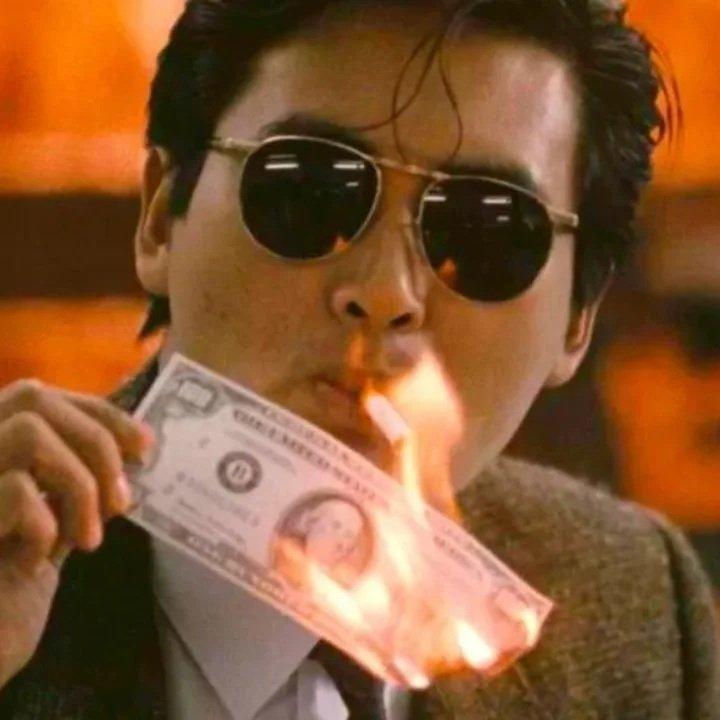
With the opening of 1986’s A Better Tomorrow, director John Woo and star Chow Yun Fat captured “cool” with skill and style that very few have been able to  match since. A crew of gangsters, including life-long friends Sung-tse Ho (Ti Lung) and Mark (Chow), watch their counterfeiting operation produce sheet after sheet of faux dollars. As they inspect the freshly minted funny money, Mark takes a $100 bill, sets it ablaze, and uses the flames to light a cigar. Clad in a dashing longcoat and ultra-...
How "Call of the Night" Uses Its Vampires to Build Its Structure

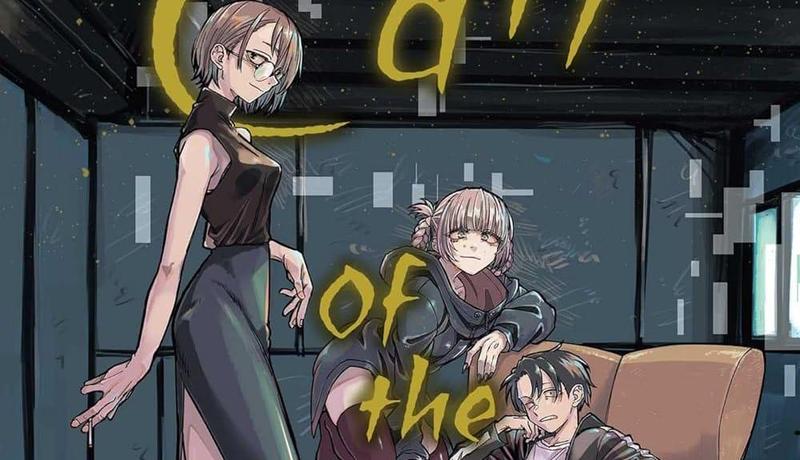
Vampires, as a storytelling tool, come with rules. They’ll vary depending on the type of vampire and what sort of story they’re telling, but one rule stands out as a reliable constant: vampires are nocturnal beings. Barring unusual supernatural powers or an explicit plot to blot out the sun, most vampire stories have a hard limit on when key characters can be active, one backed by potentially explosive consequences. Call of the Night, mangaka Kotoyama’s five-year vampire romance, turns this limi...

Meredith Gran talks ‘Perfect Tides’, time’s inexorable march, and the internet as it was in 2000

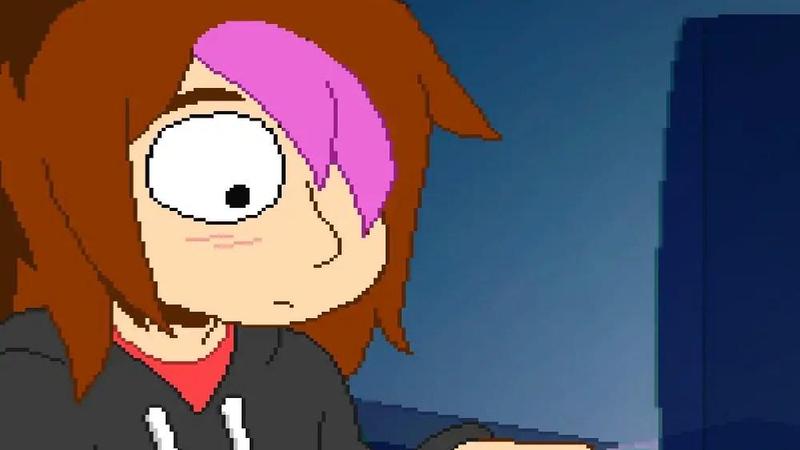
Meredith Gran rules. Octopus Pie, her 2007-2017 webcomic, is for my money one of the medium’s all-time great works. Her major post-Octopus Pie creative project—the crowd-funded point and click adventure game Perfect Tides, launched on Tuesday. It’s terrific — a witty and thoughtful coming of age story that navigates the goofy and the heavy with care and skill amidst gorgeous artwork, compulsively readable prose, and clever puzzles. AIPT was able to speak with Gran in the run-up to Perfect Tides‘

Perspective and Time in Meredith Gran’s Octopus Pie

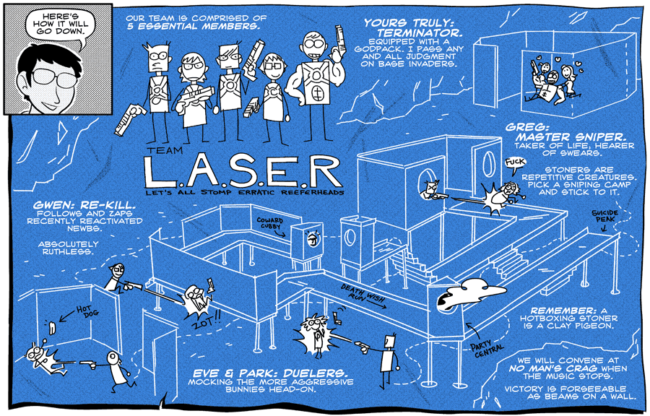
One of the things that has long fascinated me about the way comics work is the extent to which the art of it is about controlling perception. Within a panel, the reader sees a specific image. On its own, the image is an image. In concert with other panels, it becomes sequential art – the comic’s creator(s) directing the reader’s eye and mind from image to image. But it’s not just motion and the passage of time that a comics page creates; it’s the perception of them.